OpenClaw v2026.6.9/v2026.6.10: Agent Recovery, Model Routing Overhaul, and Platform Stability
OpenClaw v2026.6.9/v2026.6.10 ships agent recovery, smarter model routing, auto fast mode for chats, and major platform stability improvements.
OpenClaw v2026.6.9/v2026.6.10 ships agent recovery, smarter model routing, auto fast mode for chats, and major platform stability improvements.

Microsoft Copilot Studio now connects to Azure Databricks workspaces via a single MCP connection in Public Preview, enabling enterprise data reasoning.

Confluent's 2026 report: only 32% of orgs have agentic AI in production, and 77% of those are stalled — data quality and infrastructure are the real bottlenecks.

Anthropic adds cron scheduling, credential vaults, and Okta zero-touch MCP auth to Claude Managed Agents — enterprises can now run agents on autopilot securely.
MCP's biggest spec update since launch drops session IDs for stateless routing, formalizes Extensions, and hardens OAuth — final spec due July 28.
OpenClaw 2026.6.9 stable: 422 PRs, richer Telegram delivery, stronger Codex integration, improved agent recovery, and new Zalo channel.
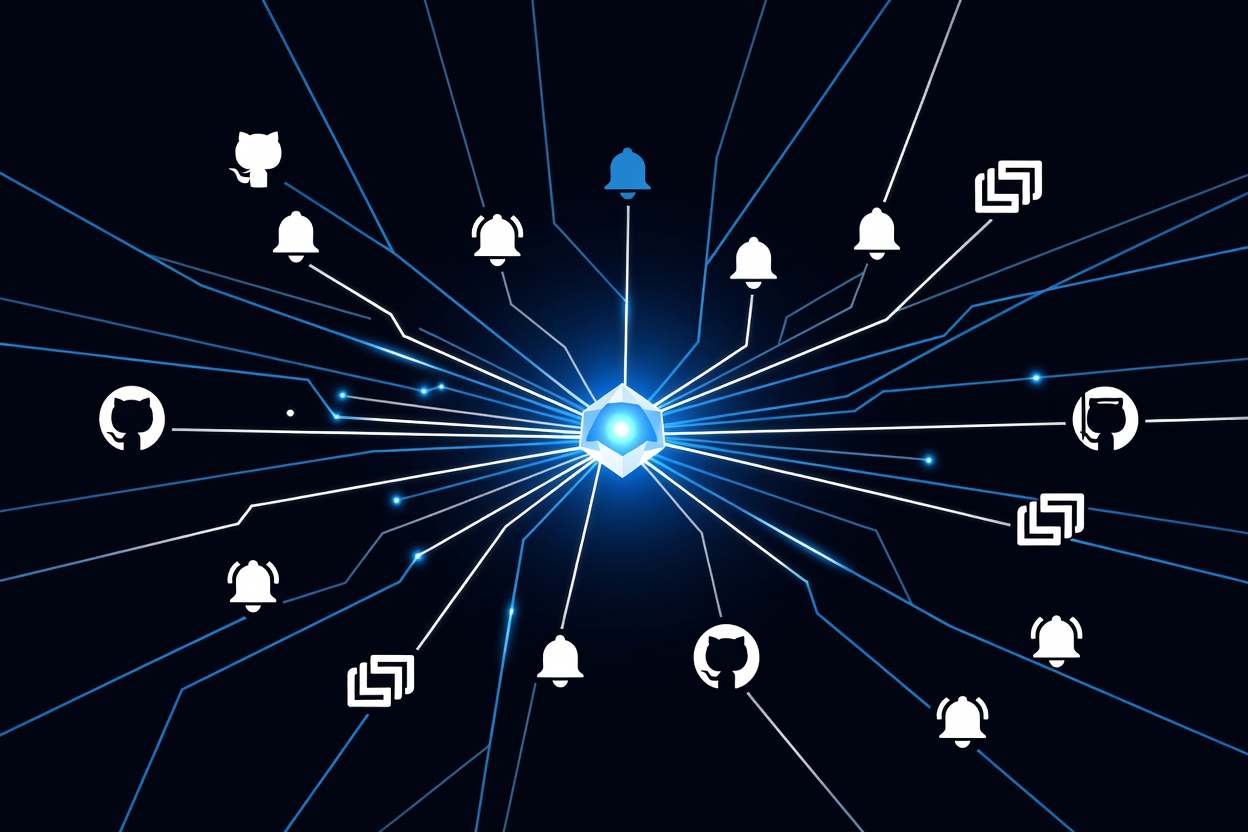
Anthropic's unreleased 'Conway' always-on agent resurfaces: persistent webhooks, GitHub triggers, and autonomous background operation revealed via code leak.

Microsoft discloses AutoJack: a zero-click RCE exploit chain letting a malicious webpage hijack developer machines via AutoGen Studio's MCP WebSocket surface.
MCP is under active exploitation: STDIO injection, tool poisoning via hidden instructions, and rug pull attacks are documented across Claude Code, Cursor, and VS Code.

OpenClaw v2026.6.9 ships CI gating and fail-closed approvals: unanswered approval requests now default to 'no'. Here's what changed and what to watch for.

Anthropic launches $150M Claude Corps: 1,000 paid AI fellowships at nonprofits — no degree required. Applications open now.
Microsoft's AutoJack exploit shows a malicious webpage can hijack a browsing AI agent to execute code on the host via local MCP endpoints — a systemic architecture risk.
Anthropic's Claude Code Artifacts beta lets enterprise teams publish AI coding sessions as live, shareable HTML pages with real-time updates and version history.

A 120,000-character system prompt purportedly from Claude Fable 5 circulates on GitHub, though Anthropic contests its authenticity — reigniting AI transparency debates.

OpenClaw 2026.6.8 ships Telegram rich text, GLM-5.2 and Haiku 4.5 model support, and security-tightened search opt-in across 192 changes.

The Information reports Nous Research's Hermes Agent surpassed OpenClaw in daily OpenRouter token volume — a direct competitive signal for the personal AI agent space.
JPMorgan blocks Hong Kong staff from Claude AI access — following Goldman Sachs in April — as US-China tensions reshape enterprise AI adoption across Wall Street.
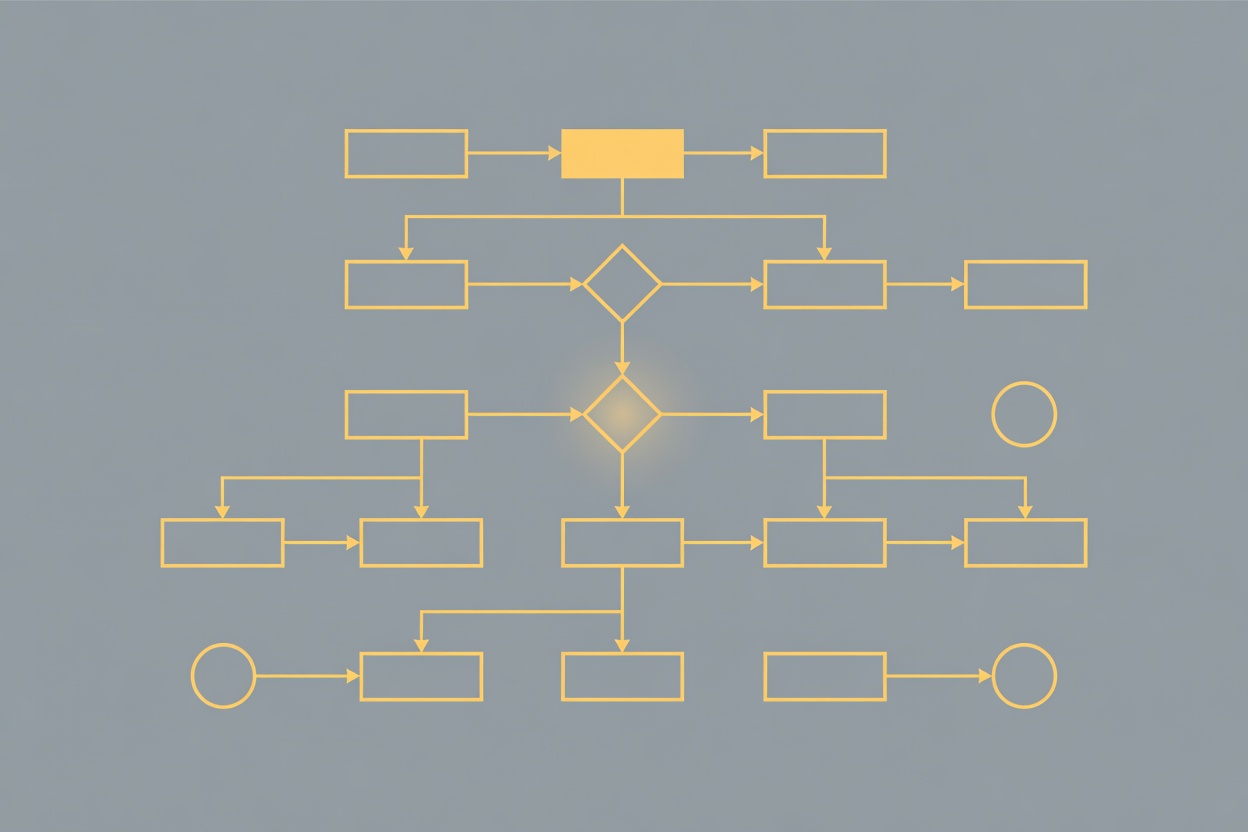
CrewAI v1.14.8 alpha drops FlowDefinition DSL upgrades including DMN business rules, if/each expressions, and declarative human feedback loops.

Hermes Agent (Nous Research) adds async subagents via delegate_task_async, enabling non-blocking long-running background task delegation.
OpenClaw v2026.6.8 lands with richer Telegram/WhatsApp formatting, GLM-5.2 and Claude Haiku 4.5 support, and keyless search now opt-in.
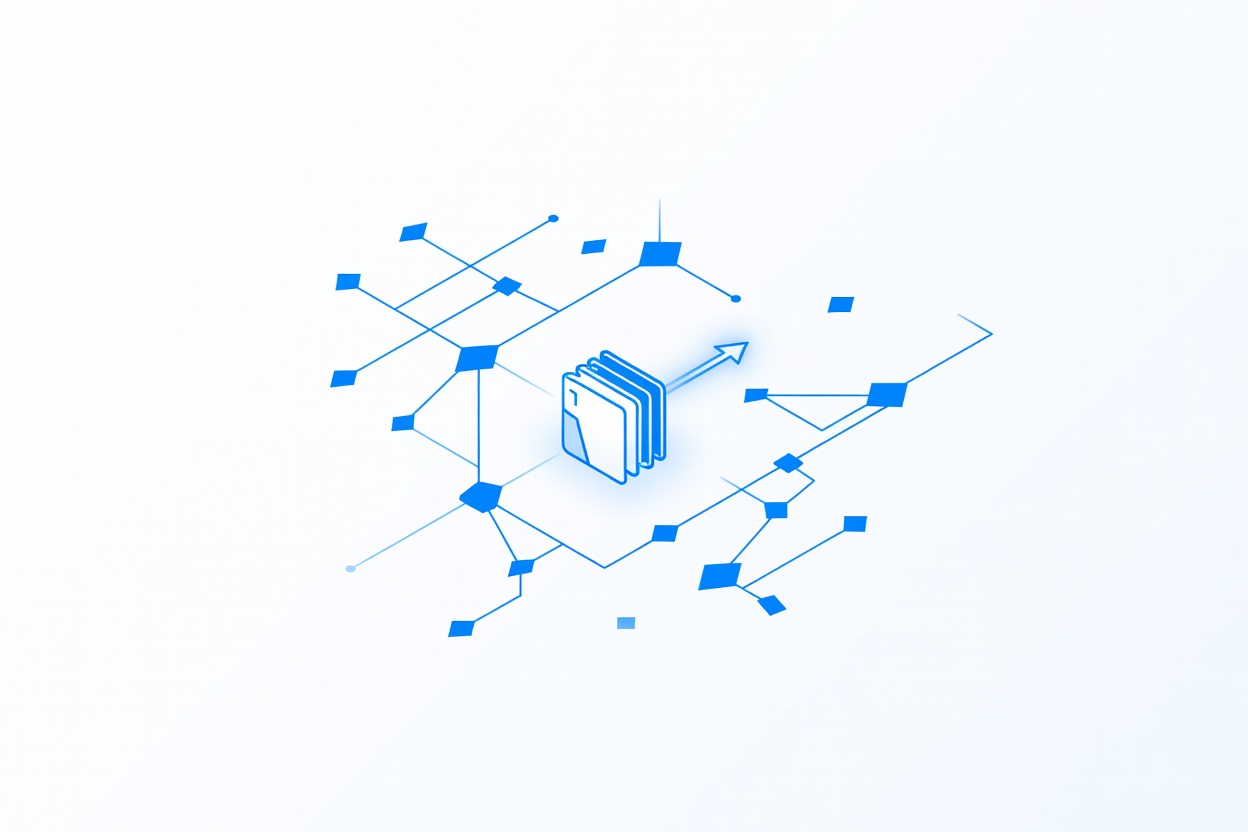
Swarms Bundles lets users package multi-agent workflows with custom prompts into shareable single-link toolkits — like npm for agent systems.

Fast Company's AI 20 for 2026 spotlights Peter Steinberger and how OpenClaw reached 500,000 global deployments.

A low-skilled attacker used Claude Code and Codex to breach 14 companies — the first documented commodity AI agent cyberattack.
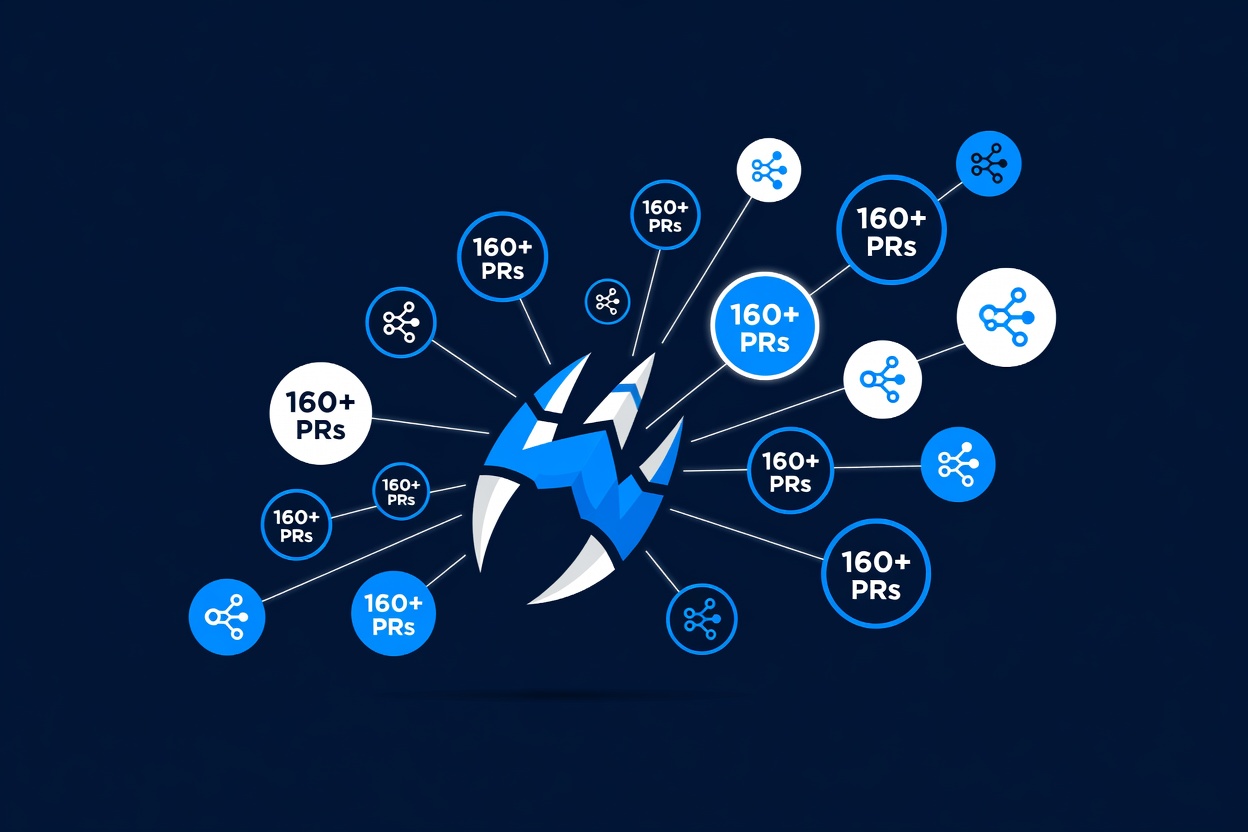
OpenClaw 2026.6.8 drops with 160+ PRs: richer Telegram messages, WhatsApp fixes, new model support, iOS reconnects, and more.

OrcaRouter's AI Threat Report 2026 reveals agents are being socially engineered — and ships a free open-source firewall to fight back.