How to Build an AI Agent That Earns Real Money
One developer built an AI agent that earns real money — not a demo, not a simulation. Here's exactly how it works and how you can build one too.
One developer built an AI agent that earns real money — not a demo, not a simulation. Here's exactly how it works and how you can build one too.
Claude Code's Auto Mode uses a Sonnet 4.6 safety classifier to autonomously approve low-risk actions and block high-blast-radius ones — here's how it works.
GLM-5.1 hits 94.6% of Claude Opus 4.6 on coding benchmarks and costs a fraction — here's how to connect it to OpenClaw via OpenRouter.
Step-by-step guide to integrating Cisco's DefenseClaw open-source framework into your OpenClaw agent deployments for just-in-time, least-privilege zero-trust security.
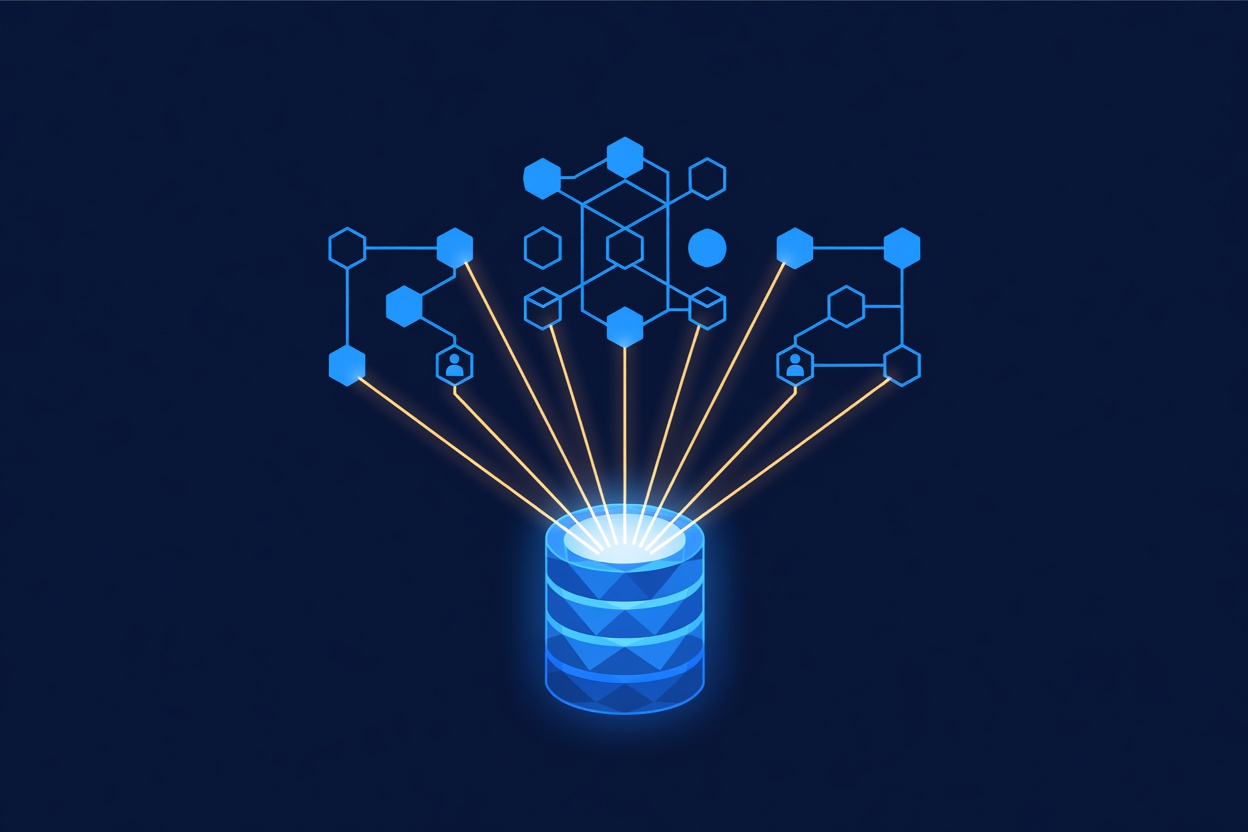
Step-by-step guide to replacing LangGraph's in-memory state with Aerospike Database 8 for production-grade durable agent memory.
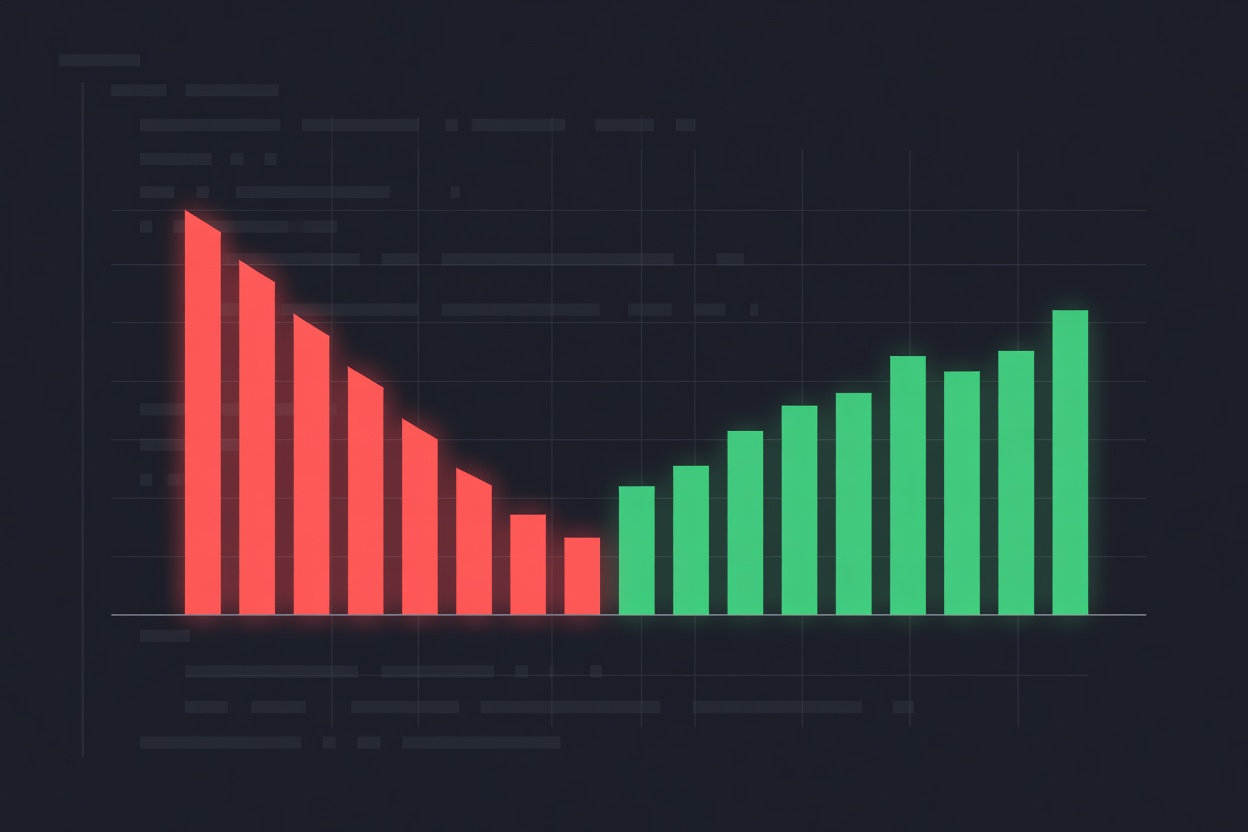
Claude Code drains faster during peak hours (5–11am PT weekdays). Here's how to track your usage, shift heavy tasks off-peak, and make your monthly budget last.
Step-by-step guide to installing Jentic Mini — the free, open-source API execution firewall for OpenClaw agents — and configuring permission layers between your agents and the outside world.
Step-by-step guide to auditing your OpenClaw ClawHub skills for malicious payloads following the Silverfort ranking-manipulation vulnerability disclosure.
Figma opens its canvas to AI coding agents via MCP — Claude Code, Cursor, Copilot, and Codex can now read and edit designs programmatically.
Step-by-step guide to building human-in-the-loop agentic workflows with LangGraph — interrupt patterns, approval gates, reversible actions.