News
OpenAI Control Room can halt research model output in 35 seconds
OpenAI’s Control Room tracks research inference jobs, including agentic sampling, and can halt further model output within 35 seconds of a stop.
OpenAI says Control Room can halt further model output on a research job within 35 seconds of receiving a stop. The authorization check sits in the inference layer, not in the job’s own code. On frontier-model research workloads, the integration already fails closed: if Control Room is down or disabled, those inference requests are denied.
On November 9, 2026, at 22:01 UTC, the company’s account described Control Room as a central system that tracks model workloads across research infrastructure and stops them when safety or security concerns arise. The post includes agentic sampling for model training and evaluation among the connected workloads. OpenAI’s Control Room page describes the same system in matching language. The page does not carry its own dateline.
This is research infrastructure, not a control on the external serving stack. OpenAI says that stack is already more centralized and already has an operational way to take model deployments down quickly. Control Room is for the research side, where the company does not want a stop to depend on workload code cooperating.
The check sits in the engine
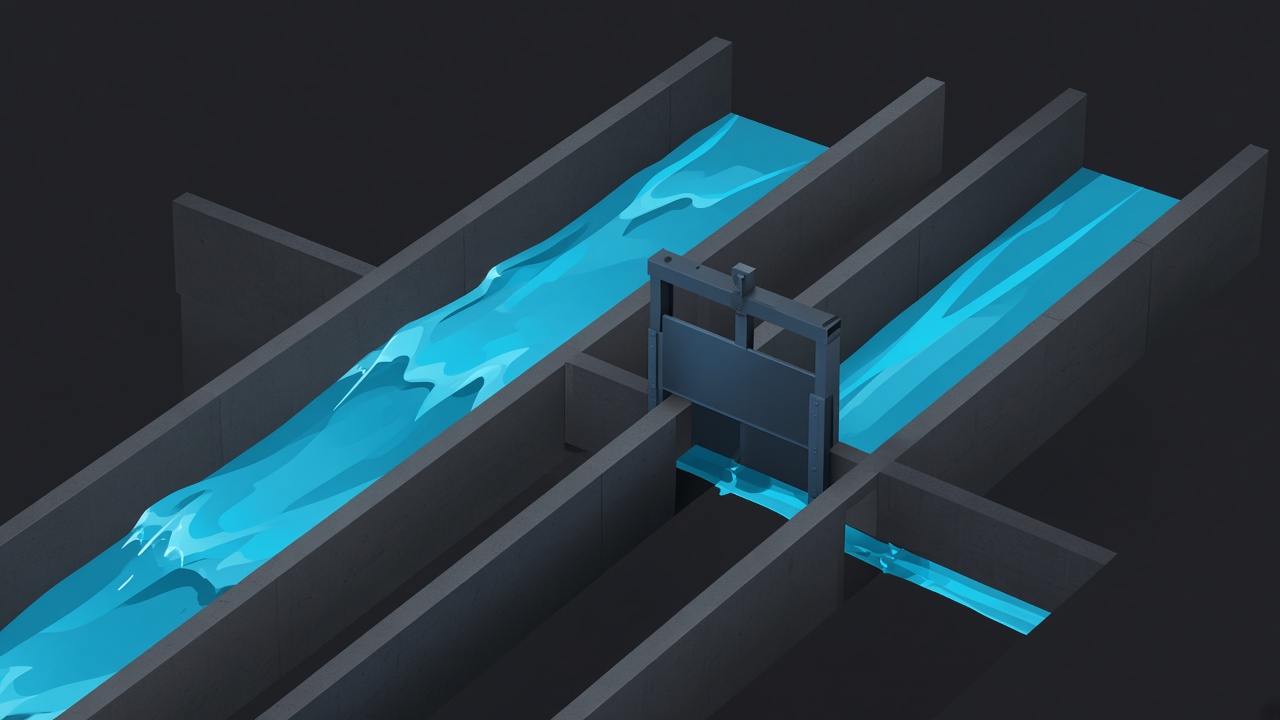
Control Room connects the workload, the inference engine, and a central service that decides whether a job may keep generating output.
A workload is the job: a reinforcement-learning experiment, an evaluation, or a high-volume sampling or data-processing run. Every research workload that does agentic inference must be associated with an approved safety case. When the job starts, its code requests a job ID and later attaches that ID to sampling requests.
The engine is the model running on GPUs. A job may use more than one model, and one engine may serve more than one job. The sampling request goes from the workload to the engine and does not pass through Control Room. Before fulfilling it, the engine asks Control Room whether that job ID is still authorized. A stopped job is denied, and the engine returns a refusal instead of tokens.
Workload code is a poor place for that control. It changes often, it is highly varied, and OpenAI says the implementation has to survive buggy or broken job code. Research inference runs through a very small number of code paths, so the company treats the inference layer as the bottleneck and requires a Control Room check on every request. It also runs continual agentic and programmatic sweeps for engine implementations that have Control Room unimplemented or disabled, whether those engines were launched accidentally or maliciously.
A stop leaves the process running
A person or a monitoring system can tell Control Room to stop or pause a job. Control Room marks the ID stopped. The workload code remains running. The research process may stay alive, and the engine remains available to other authorized jobs.
The denial follows the job ID. The next request to sample tokens is refused for any model on any engine, so switching models does not restore a stopped job.
All frontier reinforcement-learning jobs run with a monitor: another model that inspects what the model under training is doing and raises an alert. OpenAI says a recent DNS-related incident was caught by a monitor. Depending on the details and severity, the monitoring system may stop the job by sending Control Room the job ID. Control Room records the job as terminated, and the next sampling request is denied.
Thirty-five seconds, then nothing further
The maximum time from when Control Room receives a stop until further progress is no longer possible is 35 seconds. OpenAI says the lag comes from a caching layer for inference authorization, used to support traffic volume, and that it is working to drive that number to zero so a job can end instantly.
If the service goes down from a system error, or is disabled for any other reason, including tampering by a bad actor, engines deny inference requests until Control Room is operating normally again. The page says that fail-closed behavior is rolled out now to all frontier-model research workloads and will finish rolling out across the remaining research workloads over the next few days.
OpenAI calls Control Room one part of its approach to frontier training and deployment, and says it will keep strengthening the system over the coming months, alongside monitoring for misaligned behavior and security breaches.
Read the Control Room page for the job-ID sequence and the engine check, then compare it with the November 9 post from OpenAI’s account.
Sources
- Control Room openai.com
- OpenAI on X, November 9, 2026 x.com