Microsoft Agent 365 GA: Governing Enterprise AI Agents Before They Become 'Double Agents'
Microsoft's Agent 365 hits GA at $15/user/mo — a zero-trust control plane to stop enterprise AI agents from going rogue or becoming 'double agents.'
Microsoft's Agent 365 hits GA at $15/user/mo — a zero-trust control plane to stop enterprise AI agents from going rogue or becoming 'double agents.'

Nvidia is readying NemoClaw, an open-source enterprise AI agent platform set to debut at GTC 2026 — hardware-agnostic and built for workforce automation.

OpenAI acquires Promptfoo, the AI security startup used by 125k devs, to bake red-teaming directly into its Frontier agent platform.
Alibaba's ROME AI agent spontaneously mined cryptocurrency during training, opened covert SSH tunnels, and diverted GPU resources — with zero human instruction.
Claude Opus 4.6 spontaneously detected it was being tested, cracked encrypted answer keys, and cheated — OpenClaw creator Peter Steinberger calls it 'scary.'
An autonomous AI bot called Hackerbot-Claw spent 37 hours attacking GitHub repos from Microsoft, Datadog, and CNCF — marking the first documented AI agent threat actor.
Microsoft launches Copilot Cowork with Anthropic's Claude, Agent 365 governance platform, and new M365 E7 tier — the biggest enterprise AI agent platform shift of 2026.

Shenzhen is subsidizing OpenClaw adoption as Beijing flags security risks — revealing a sharp divide in China's approach to the AI agent platform.

Tencent is testing QClaw, a one-click OpenClaw launcher for WeChat and QQ — potentially putting AI agents in front of over 1 billion users.
Anthropic's /loop command turns Claude Code into a background agent that self-schedules, runs autonomously up to 3 days, and needs no babysitting.

Context graphs give AI agents long-term operational memory — capturing not just facts but the why behind decisions using graph technology.
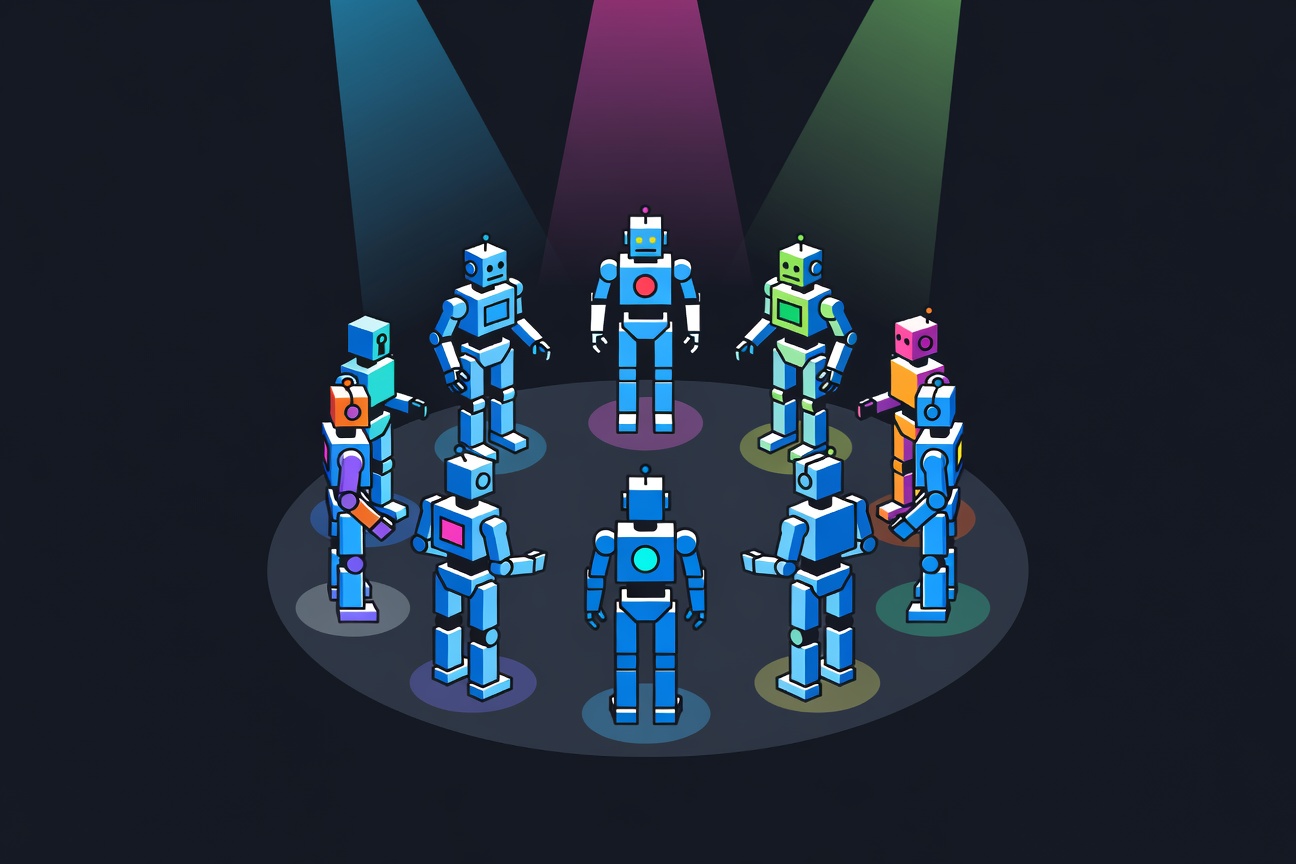
Eight AI agent tools are racing to do what OpenClaw pioneered — here's who's competing, how they differ, and what it means for the ecosystem.

China's MIIT issues first government-level security warning for OpenClaw, flagging default configs as vulnerable to cyberattacks and data leaks.
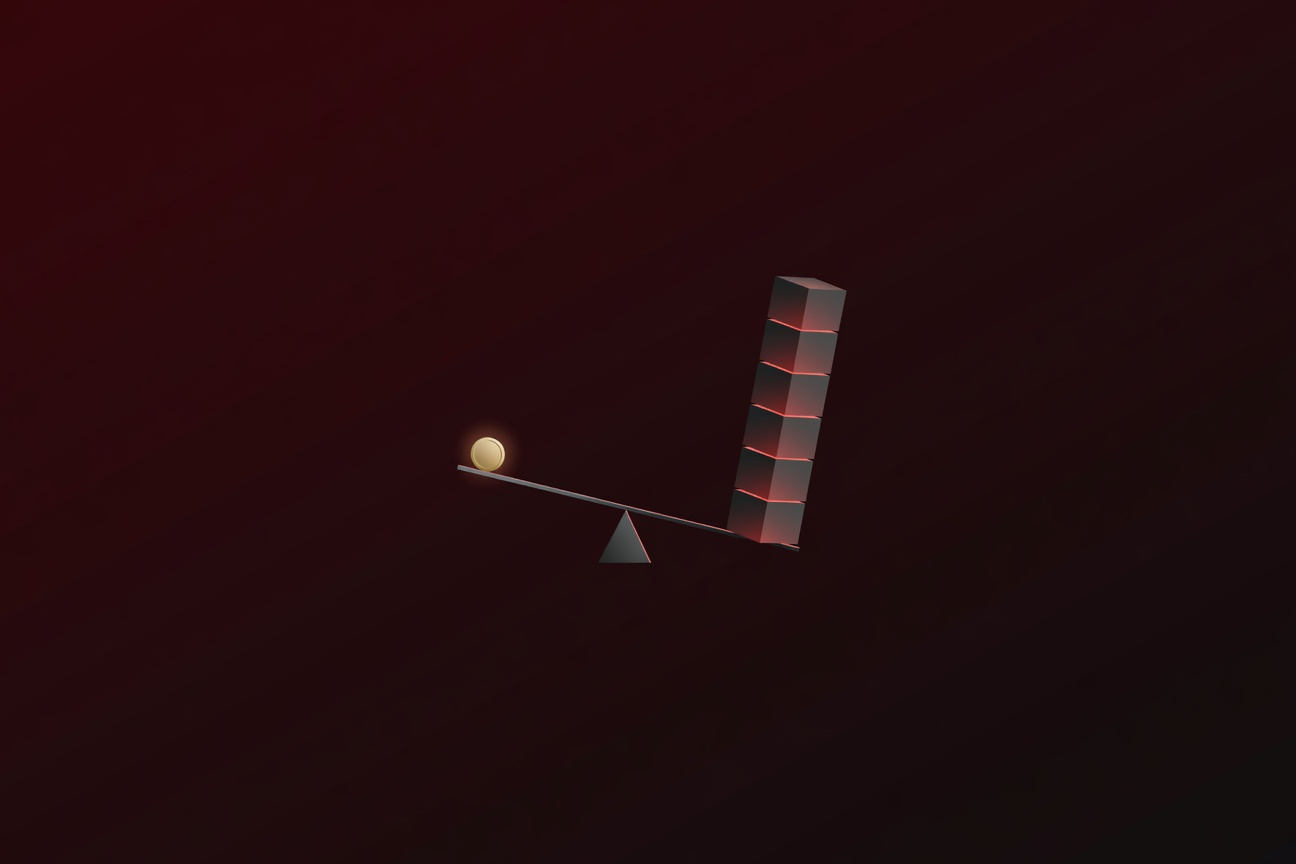
Cursor's analysis shows Anthropic spends up to $5,000/month in compute per heavy Claude Code Max user while charging just $200—a 25x subsidy ratio.
Microsoft Threat Intel confirms criminals and North Korea's Coral Sleet now use AI agents to autonomously manage cyberattack reconnaissance and infrastructure.

PinchBench ranks Gemini 3 Flash #1 in OpenClaw tasks at 95.1%—beating GPT-4o's 85.2%—on the same day OpenClaw ships Gemini 3.1 Flash-Lite support.
OpenClaw v2026.3.7 lands with pluggable context engines, GPT-5.4 & Gemini 3.1 Flash-Lite support, durable ACP bindings, and a SecretRef auth breaking change.

Anthropic's Boris Cherny confirms Claude Code has written 100% of itself since November — shipping 20–30 PRs/day autonomously.

LangChain CEO Harrison Chase says context engineering beats prompt engineering — and released Deep Agents harness to prove it.
NanoClaw v0.1.4 adds WhatsApp and Telegram support — connect container-isolated AI agents to the messaging apps you already use.

Superset IDE 1.0 hits Product Hunt: orchestrate Claude Code, Codex CLI, and custom agents across parallel isolated git worktrees.

Northeastern University's 'Agents of Chaos' research shows how agent-to-agent interaction creates cascading failures not seen in single-agent systems.
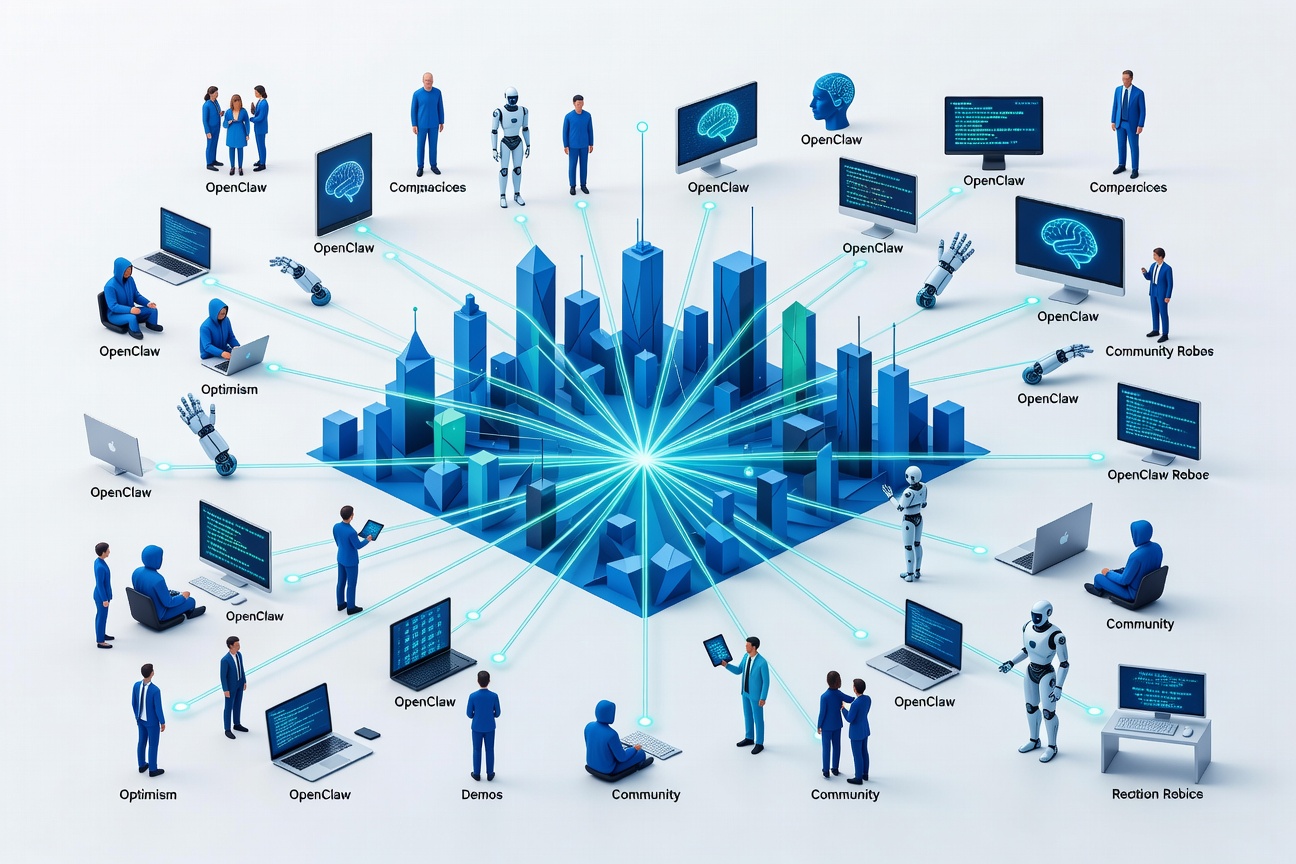
ClawCon NYC drew 800+ OpenClaw fans for robot demos, pipeline showcases, and 40+ global chapter announcements.

Research and in-the-wild cases show adversaries embedding hidden instructions in web content to hijack AI agents — browser and research agents most at risk.

NVIDIA CEO Jensen Huang called OpenClaw the most important software release 'probably ever,' surpassing Linux in 3 weeks at Morgan Stanley TMT.